
The 4th of July – A Day of Celebration and Responsibility
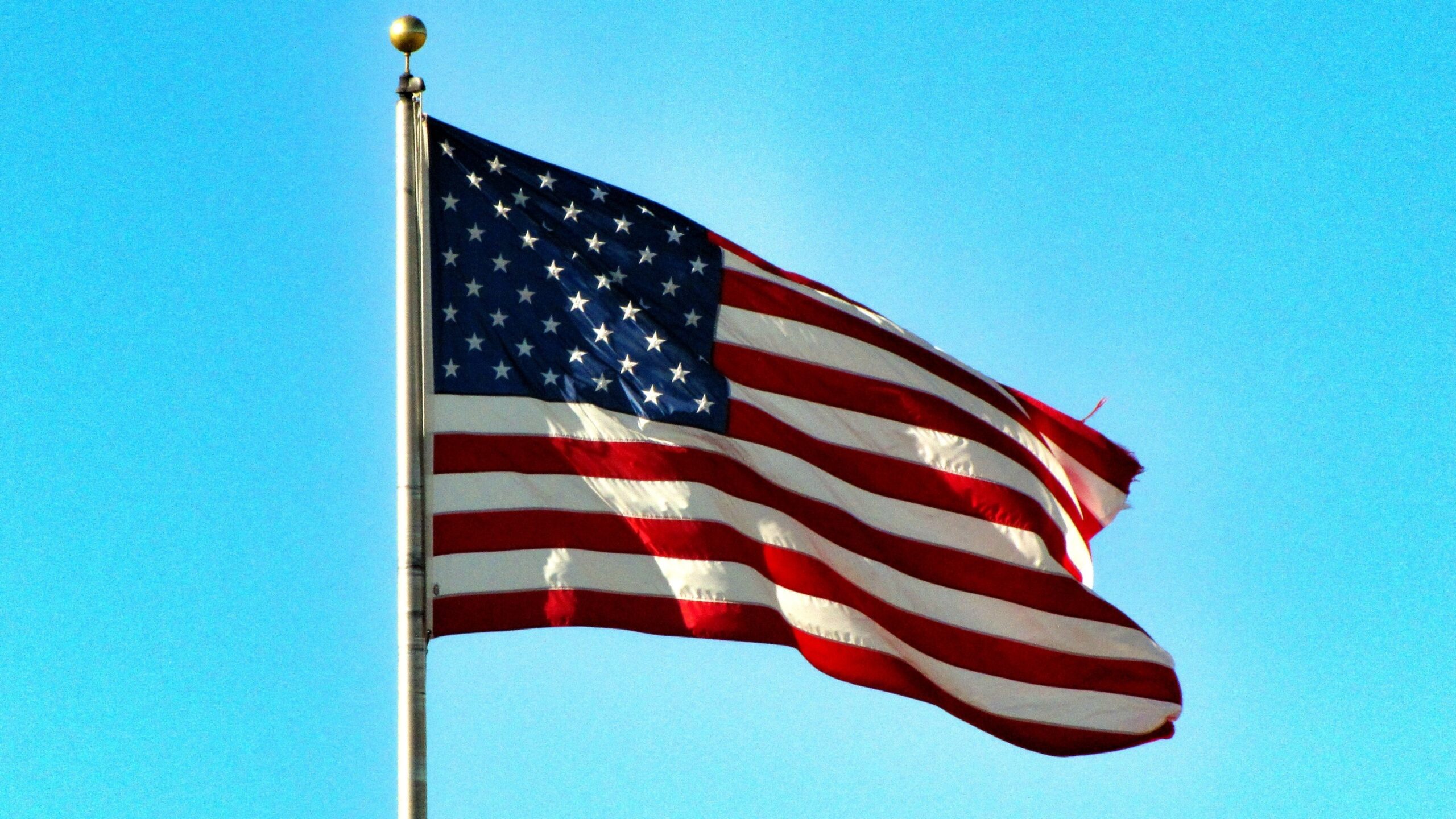
A message from President Jeffrey W. Talley:
Two hundred and fifty years ago, fifty-six men gathered in Philadelphia and made one of the most consequential decisions in history. They declared that free people could govern themselves. Around the world, power sat with kings and empires. The idea that ordinary citizens could govern themselves was viewed as impossible, if not crazy.
Our founding fathers believed we could govern ourselves and were willing to risk everything for it. There was no guarantee they would succeed or even survive. Under British Law, the Declaration of Independence was an act of high treason, punishable by death. Yet these leaders signed the Declaration anyway.
Of the 56 signers, nine would not see the end of the war. Some were captured and tortured as traitors. Others had their farms and homes destroyed. Some lost children and family members. A handful became household names that we all recognize still today, but many never recovered from the sacrifices they made. Several died in relative obscurity and financial hardship.
Although important anniversaries like today’s invite us to look backward, they should also challenge us to look forward. You see, Independence Day is not simply about remembering what happened in 1776; it is also about asking what independence requires of us today. Independence has never been built upon certainty. It has always depended upon courage. The Declaration itself was only ink on parchment. Those words possessed no army, no treasury, and no government capable of enforcing them. Those words only became powerful because people acted upon them. Ideas matter. People change history. This has been true for 250 years.
Every American inherits the same question: What will you do with the freedom entrusted to you? The Founders secured our independence, but every generation since has been called to preserve it. Some answer that question on the battlefield. Others answer it in classrooms, on farms, in factories, in hospitals, in businesses, in churches, and in city halls. They built communities, raised families, created opportunity, served neighbors, and strengthened institutions. Each generation learns a simple truth. Freedom does not sustain itself. It depends on everyday citizens accepting responsibility for something greater than themselves. After decades of wearing our nation’s uniform, that may be the most important lesson I have learned.
I have served alongside Americans from every imaginable background. People from small towns and large cities. Some whose roots stretch back centuries, others who became citizens only recently. We came from different backgrounds, spoke differently, and held different opinions. Yet when a mission began, those differences mattered far less than our shared commitment to one another. The military teaches a lesson that applies well beyond military service. The mission comes first. Not because individuals are unimportant. But because no great mission is ever accomplished by individuals alone. That principle applies just as much in our communities as it does on distant battlefields.
Strong communities are built by people who choose responsibility over convenience. Parents who raise children with integrity. Teachers who inspire curiosity. First responders who answer the call. Business owners who create opportunity. Volunteers who quietly serve without expecting recognition. Public servants who dedicate themselves to improving the lives of others.
None of these people may ever make the history books. Yet together, they make history. That is how independence endures.
Not through military acts or grand speeches. But through ordinary acts of responsibility repeated millions of times across this country every single day.
Over the last two and a half centuries, America has faced extraordinary challenges. War, division, and economic hardships. Moments when many questioned whether this experiment in self-government could survive. Every generation has faced problems that seemed overwhelming. Yet we ultimately answered the same way. Not with despair, but with determination. Not with cynicism, but with service. Not by abandoning the American experiment, but by renewing it. That responsibility now belongs to us. Especially to young people. You will inherit a nation that is still unfinished. That has always been true. Your responsibility is not to preserve it exactly as you found it. Your responsibility is to strengthen it, to leave it more free, more resilient. More united than when it was entrusted to your care. Leave a stronger America than the one you received.
Across this great and beautiful country, the American spirit continues to shine, even when we feel like we are faced with great divisions and locked in our own echo chambers. We see it every day. Neighbors clearing fallen trees after storms. Teachers buying supplies for students. Police officers, firefighters, and paramedics answering calls without hesitation. Volunteers serving quietly with no expectation of recognition. Young people choosing to devote their lives to serving our country. Acts of generosity and quiet leadership that rarely make the headlines yet define who we are as a nation.
Like those who signed the Declaration, our actions give lasting meaning to our words. It is the same spirit that declared independence, defended it, and that has sustained it for 250 years. So, as we celebrate this historic anniversary, let us remember that independence is more than our inheritance. It is our responsibility. We all inherited freedom we did not earn. The question is whether we will prove worthy of passing it to those who come after us. May future generations look back on us and say that we honored the trust we received. That we accepted the responsibilities of freedom. And that we left America stronger than we found it.
In closing, Happy Independence Day. May God continue to bless this nation, and may He keep us the land of the free and the home of the brave.
Jeffrey W. Talley, LTG, U.S. Army (Ret.), Ph.D., President, Belmont Abbey College