Sunday, Nov. 14, marks a special moment in the Diocese of Charlotte’s participation in the Church’s worldwide effort to hear from all of its members through a mix of local, national and global conversations on the theme “For a Synodal Church: Communion, Participation, and Mission.” Steering the local effort is Dr. Alessandro Rovati, who has been appointed by Bishop Jugis to serve as the official contact person for the diocesan phase of the synod. In coming months, Rovati will be contacting and responding to diocesan groups and others to help them organize local gatherings. He also will facilitate the diocese’s common gathering next June. Read more here- https://www.catholicnewsherald.com/88-news/fp/7692-synod-launches-nov-14-with-message-from-bishop-jugis-offers-chance-to-grow-in-faith
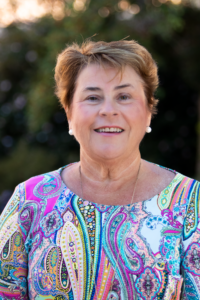
Belmont Abbey College announces Debbie Windley as the Director of Corporate and Foundation Relations at Belmont Abbey College. Windley, who currently serves the college as an instructor in the Business Department, supervisor of business internships, community engager and coordinator for the President’s Community Roundtable, and co-advisor for the Rotaract Club, will add this new position to her areas of focus.
In this role, Windley will be responsible for creating new levels of philanthropic support from corporations, area companies, and foundations as well as deepening the engagement with our existing corporate and foundation partners to advance key areas of growth for the college.
“I am thrilled to be able to partner with Belmont Abbey College during such a transformational time for both the college and our community,” said Windley, a Certified Fundraising Professional (CFRE) with more than 20 years of fundraising and strategic planning expertise.
“Debbie brings both a wealth of professional experience, connections for the Abbey, and knowledge about the community to this new position,” explained Phil Brach, Vice President of College Relations for Belmont Abbey.
Windley started the Development Office at Gaston Christian School and helped to lead campaigns to purchase land and complete buildings and athletic fields at the 56+ acre campus in Lowell. Windley also served as Advancement Director at The Schiele Museum during a pivotal time in the museum’s history where she provided leadership for the capital campaign for the Matthews Belk Cannon Environmental Studies Center and served CaroMont Health as Director of Development where she directed all fundraising and donor cultivation of both internal and external stakeholders for this hospital system and its affiliates and oversaw both the grants and scholarships programs of the CaroMont Health Foundation.
More recently, through her consulting business, Windley provides fundraising and strategic development planning expertise to several nonprofits in North and South Carolina through Windmark Consulting, LLC.
In addition to her work, Windley is involved as a volunteer with many local organizations that help to foster collaboration among community partners. Most importantly, her Christian faith is the foundation for her life, and her life verse is Colossians 3:22 “Whatever you do, work at it with all your heart, as working for the Lord.” Windley’s tremendous experience with Fundraising and her tireless dedication to community work are just two of the many reasons why Belmont Abbey College is thrilled to welcome her on board.