Free Citizens, Free Souls:
A Conference on Education, Social Justice, and the Great Books
April 9th @ 1 PM & 5PM
April 10th @ 2:30 PM
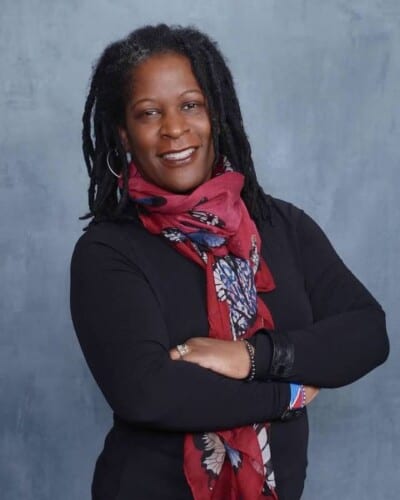
Thanks to a generous grant from the Jack Miller Center, the Honors College at Belmont Abbey College will be sponsoring an intercollegiate conference entitled Free Citizens, Free Souls: A Conference on Education, Social Justice, and the Great Books. The conference will include a keynote address by Dr. Anika Prather and breakout seminars mixing students and faculty from various colleges on texts by Frederick Douglass, Alexis De Tocqueville, W.E.B. Du Bois, James Baldwin, and Anna Julia Cooper.
Dr. Prather is a Classics Professor at Howard University and is the founder of The Living Water School. She also serves on the Board of Academic Advisors for the CLT (Classic Learning Test). Listen to a podcast by Dr. Prather here and read about her talk at St. John’s College here.
Register here for April 9th @ 1 PM.
Register here for April 9th @ 5 PM.
Register here for April 10th @ 2:30 PM.
All Belmont Abbey College faculty and students are welcome to attend conference events. Faculty and students interested in participating in the reading seminars should contact Dr. Joseph Wysocki at josephwysocki@bac.edu.
 “When we praise a poet,” says T.S. Eliot, too often we isolate out those aspects of his verse which resemble least anyone else’s—which depart most surely from his predecessors. In “Tradition and the Individual Talent,” Eliot challenges the critic’s inclination to “pretend to find what is individual, what is the peculiar essence of the man,” and fixate upon this singularity “with satisfaction” Truth be told, no artist “has his complete meaning alone,” for his significance is indissolubly tied to “his relation to the dead poets and artists”. To gain fulsome appreciation of his achievement, you “must set him, for contrast and comparison, among the dead”. When we rid ourselves of the penchant for originality and invention in favor of situating the new in the stream of tradition, we may just find that “not only the best, but the most individual parts of his work may be those in which the dead poets, his ancestors, assert their immortality most vigorously.”